
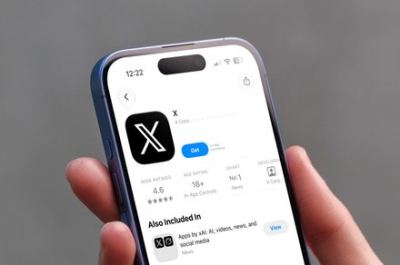
Scammers have copied X’s own security emails almost pixel for pixel, and people are falling for it.
Rachit Agarwal / Digital Trends
You open your inbox and see an alert claiming someone just logged into your X account from an unfamiliar device. Your first instinct is to click through and lock things down immediately. That instinct is exactly what a new phishing scam is counting on.
As reported by The Guardian, a wave of fake X security emails is currently doing the rounds. They claim a new device has logged into your account and urge you to click a link to reset your password or review app access.
The advice itself sounds legitimate because it mirrors what X actually tells users to do. The catch is that none of the links lead to X. They lead to a page built to steal your password or trick you into granting a scammer’s app full access to your account.
What makes the fake email so convincing?
The scam copies X’s branding, colors, and formatting almost perfectly, right down to clean grammar and spelling. Jake Moore, global cybersecurity adviser at ESET, says the real giveaways are easy to miss unless you know where to look.
According to him, the biggest tells are the sender’s email address and where the links actually take you once clicked. X’s help center page mentions that it only emails from @X.com or @e.X.com addresses and will never ask for your password through email, DM, or reply.
What should you do if you get one?
Don’t panic and don’t click anything in the email. Instead, open the X app directly. If there’s a genuine security issue, it will show up there too. Also, always make sure to verify the sender’s email. If the email is not from the addresses X mentions on its support page, discard that as a scam.
If you already entered your password or a one-time code on a site you didn’t verify, change your password immediately and turn on two-factor authentication right away. It will ensure that scammers don’t have your current password and cannot take control of your X account.
Rachit is a seasoned tech journalist with over ten years of experience covering the consumer technology landscape.
After YouTube, TikTok is testing its own AI likeness detection tool
TikTok’s new tool lets creators flag AI deepfakes of themselves directly.
AI deepfakes have become a headache for creators, and TikTok is finally stepping up to fight back. Social media consultant Matt Navarra spotted the platform quietly testing a new opt-in tool that hunts down AI-generated content mimicking a creator’s face, giving them the power to flag it directly.
TikTok is testing AI likeness detection for creators@tiktok_us is testing an opt-in Likeness Detection tool with some US creators.
It surfaces AI-generated content that may use a creator’s face without consent. pic.twitter.com/XxTF4nUETz
— Matt Navarra (@MattNavarra) July 17, 2026
You can now generate songs in your iMessage chats
iMessage users can now turn chats into short AI-generated songs
Suno has added an iMessage extension to its iOS app, letting users generate 30-second songs from voice recordings or typed prompts inside a Messages conversation.
The feature is available in the latest version of the Suno app and requires both people in the chat to have it installed. Users can access Suno from the plus menu in Messages, create a track, and share it without opening the standalone app.
The UK just proposed a midnight social media curfew for teens that they can bypass in seconds
The government wants 16- and 17-year-olds off apps like Instagram, TikTok, and YouTube from midnight to 6 AM, but the restriction has a built-in workaround.
The UK just proposed a midnight social media curfew for teenagers, but it comes with a built-in escape hatch. According to the BBC, the UK government plans to restrict social media access for 16- and 17-year-olds between midnight and 6 AM, preventing them from using apps like Instagram, TikTok, and YouTube. But getting around it will take nothing more than a few taps.
A curfew teens can switch off
Leave a Reply